Practical guides for procurement and finance leads
Written for the people who actually run the work: what changes by sector, where the cost really sits, and which parts of the job can safely be handed to someone else. Every statistic here is traceable to a named source we have read.
- IT Procurement
- Compliance
- Buying Guide
- Risk
- Procure-to-Pay
- Supplier Management
- Sourcing
- Technology
- Operating Model
- Savings
- Data
- Performance
- Strategy
- Aerospace Procurement
- Tail Spend
- Accounts Payable
- Spend Analysis
- Master Data
- Manufacturing
- Healthcare

IT Hardware Buying When Memory Prices Have Quadrupled
If you buy laptops, servers or anything with memory in it, your budget stopped working this year. The cause is not your supplier and it is not inflation. It is that AI data centre construction is absorbing the world's memory supply, and you are at the back of the queue. Here is what the numbers actually say, and what a normal company can do.

CBAM: What Buyers of Steel, Aluminium and Cement Must Do
A carbon price on imported steel, aluminium and cement is now live. Most importers are exempt — but the ones who are not have to collect data their suppliers may not have.

Incoterms Explained: Who Pays, Who Insures, Who Carries the Risk
Three letters in a purchase order decide who pays the freight, who clears customs and who loses the money if the container goes over the side.

Procurement Fraud: The Common Schemes and How to Stop Them
The typical fraud runs for a year before anyone notices. Caught inside six months, the median loss falls by about eighty per cent.

The Purchase Order Process, and Why Three-Way Matching Matters
A purchase order is not paperwork. It is the only record that says what you agreed to buy, at what price, before anyone sends you a bill.
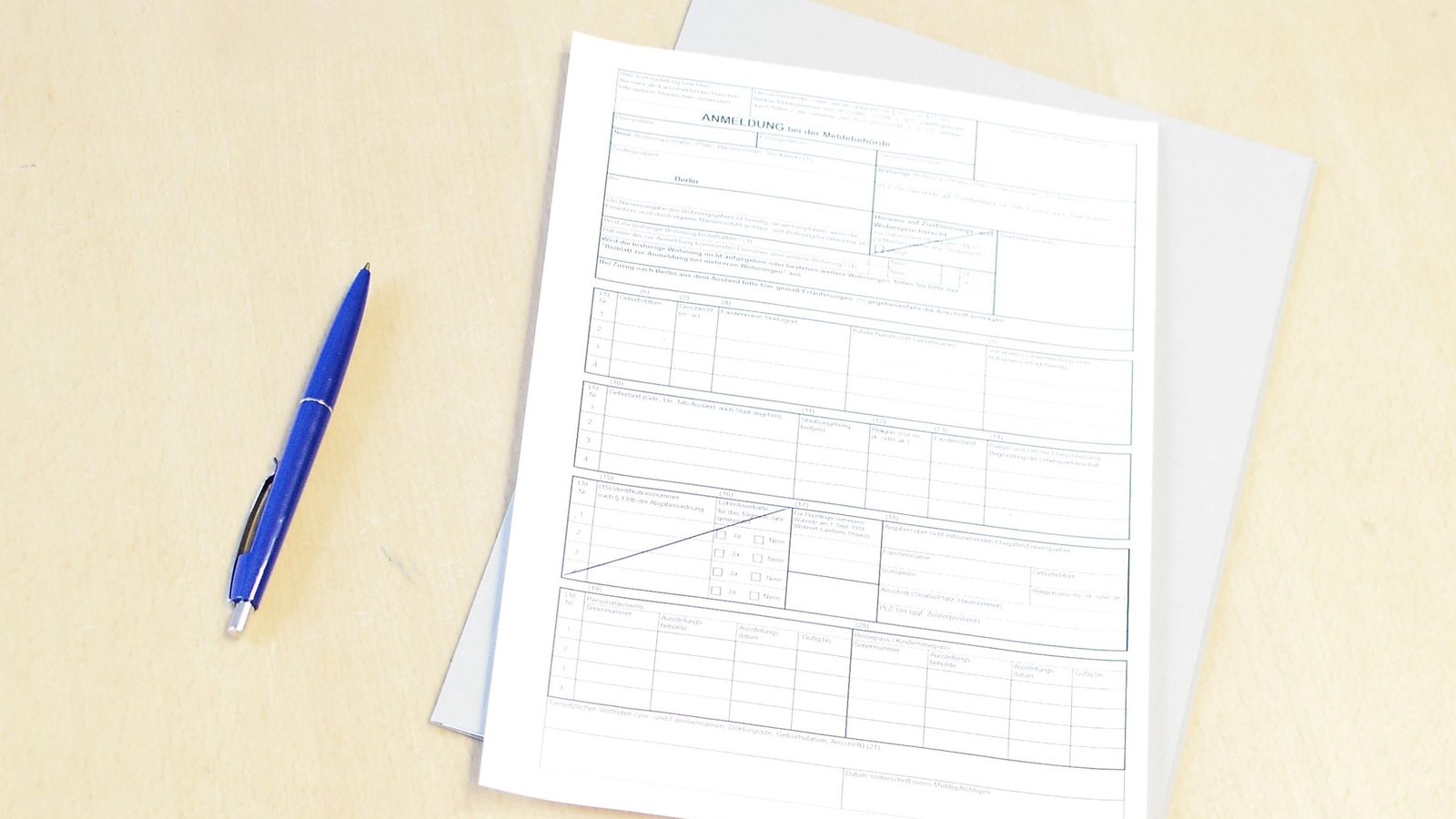
Supplier Onboarding: What to Check, and How Long It Should Take
Supplier records are usually created in a hurry so an urgent invoice can be paid. That moment sets the quality of your data and most of your payment risk.

Supplier Payment Terms: What's Normal, What's Legal, What Actually Works
Stretching payment terms is the easiest cash improvement to announce and one of the easiest to lose money on. Here is what the rules actually say and where the line sits.

How to Write an RFP That Gets Good Responses
Most weak RFP responses are caused by the RFP. Suppliers choose which bids to invest in, and an unclear or unfair document tells them to invest elsewhere.

Procurement Automation: What Should You Automate First?
The right first automation is boring, high volume and already well defined. Most teams start somewhere more exciting and get less back.

How to Build a World-Class Procurement Function (and Whether You Should)
Most articles use world-class as a compliment. It is actually a measured definition, and the teams that meet it share a handful of specific habits.

How Procurement Can Deliver Cost Savings That Actually Last
Roughly half the value in a typical savings pipeline never reaches the accounts. The interesting question is not how to find savings but how to keep them.

Procurement Digital Transformation: A Plain Guide to the Systems
The hard part is not choosing software. It is knowing which of the eight system categories you actually need, and in what order.

Why Procurement Data Is One of Your Most Valuable Assets
Four datasets sit underneath everything procurement can do. When they are poor, every other initiative gets more expensive, and most of them quietly fail.

7 Signs Your Procurement Function Needs Transformation
Seven signs, each with the evidence behind it, and a simple way to score your own function in ten minutes.

Strategic Sourcing vs Purchasing: What's the Difference?
They are different jobs, and most articles get the comparison wrong by treating purchasing as the lesser one. The man who invented the distinction did not.

Supplier Risk Management: A Plain-English Guide for Business Leaders
Most companies can see their direct suppliers' risks. Fewer than half can see one step further, which is where a lot of the trouble starts.

Procurement KPIs: 15 Metrics Worth Tracking, and How to Define Them
Most procurement dashboards track too many things and define none of them. Here are fifteen that matter, with a benchmark for each where a real one exists.

How to Measure Supplier Performance Without Damaging the Relationship
Without measurement, supplier conversations run on memory. You remember the dramatic failure and forget the supplier who has been slightly late every week for a year.

10 Procurement Trends for 2026, and the Evidence for Each
Most trend lists are marketing with a number bolted on. This one gives every trend a source you can open and an honest verdict on whether it is real yet.

AI in Procurement: What Works, What Fails, and What to Do First
The gap between companies piloting AI and companies getting anything from it is enormous, and the reason is almost never the software.

What Is Procurement Outsourcing? Models, Pricing and How to Judge It
A plain guide to what procurement outsourcing is, how it is actually sold and priced, and the handful of questions that tell you whether a provider is any good.

The Future of Procurement: From Cost Centre to Growth Engine
Procurement has been promised a strategic future for twenty years. What changed in 2026 is simpler than the promise: the sums stopped adding up.

What Makes Aerospace Procurement Different From Everything Else
Every buyer thinks their category is the hard one. In aerospace they have a case: a paperwork error does not create a rework ticket, it creates an unairworthy aircraft.

AOG Procurement: Where the Expedite Money Actually Goes
Nobody argues about an AOG invoice while the aircraft is on the ground. The argument is worth having afterwards — and almost nobody has it.

IT Procurement: Owning the Renewal Calendar Before It Owns You
The expensive mistakes in IT procurement are almost never made at the negotiating table. They are made in the ninety days before it, by nobody.
SaaS Licence Optimisation: Finding the Seats Nobody Uses
A seat is bought once, by someone with a good reason, and paid for every year afterwards by nobody in particular.

Tail Spend: How to Get Control Without a Rationalisation Project
The problem with supplier rationalisation is not that it fails to save money. It is that it is a project, and projects end.

What Invoice Processing Actually Costs, and What Moves It
Two credible benchmarks put best-in-class invoice processing at under three dollars and everyone else at nearly thirteen. The gap is not technology.

In-House or Outsourced Procurement: How to Decide
Framing it as in-house versus outsourced guarantees a bad answer, because it forces one decision onto a dozen different activities.

Spend Classification: Building a Taxonomy a CFO Will Trust
The first spend analysis presentation usually dies in the same way: someone senior recognises one number as wrong, and every other number on the slide becomes suspect.

The Duplicate Vendor Problem, and How to Actually Fix It
Nobody creates a duplicate supplier on purpose. They create one because searching for the existing record took longer than typing a new one.

Indirect and MRO Spend: The Half of Manufacturing Procurement Nobody Owns
Direct materials are managed by people whose job title says so. Indirect and MRO are managed by a maintenance supervisor between breakdowns.

Non-Clinical Procurement in Healthcare: Where the Savings Are
Clinical preference items are contested, governed and slow to change. Purchased services are none of those things, which is exactly why nobody is working on them.

Procure-to-Pay Cycle Time: Where the Days Actually Go
The average invoice spends most of its life waiting, not being worked on. Almost every improvement programme optimises the working part.
Start with a measured baseline
Our free spend audit measures your volumes, cycle times and exception rates before anything changes, so any improvement can be proved rather than asserted. The report is yours to keep either way.
Book a free spend audit